5 Costly Oven Repair Mistakes Most Homeowners Make
Ovens play a central role in daily cooking, yet faults are often handled incorrectly. Minor issues are commonly overlooked until performance or safety is affected. Electrica Co. regularly encounters preventable damage caused by delayed action and unsuitable repair attempts. Understanding where homeowners go wrong helps reduce unnecessary costs, protect electrical safety, and extend the working life of household ovens across Australian homes.
Table of Contents
ToggleKey Takeaways
- Early faults should never be ignored
- DIY oven repairs carry serious risks
- Correct parts protect performance and safety
- Electrical supply checks are essential
- Professional assessment saves long-term costs
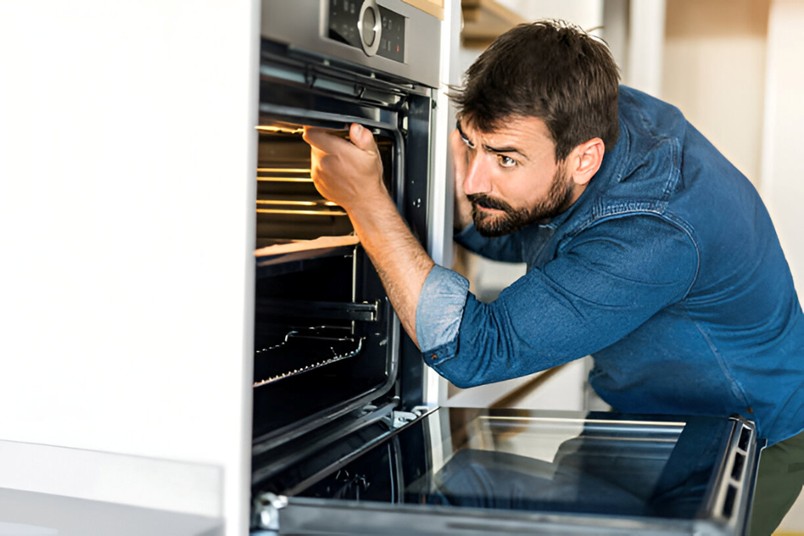
A faulty oven can quickly throw household routines into chaos. Whether it’s uneven heating, strange noises, or a complete failure to turn on, many homeowners are tempted to fix the problem themselves or delay repairs to save money. Unfortunately, this often leads to bigger issues and higher costs down the track. Taking time to get to know your own oven, including how it normally sounds, heats, and performs, makes it easier to spot problems early. Understanding the most common oven repair mistakes can help you avoid unnecessary expenses and extend the life of your appliance.
Below are five costly oven repair mistakes most homeowners make and how to steer clear of them.
Mistake 1: Ignoring Early Warning Signs
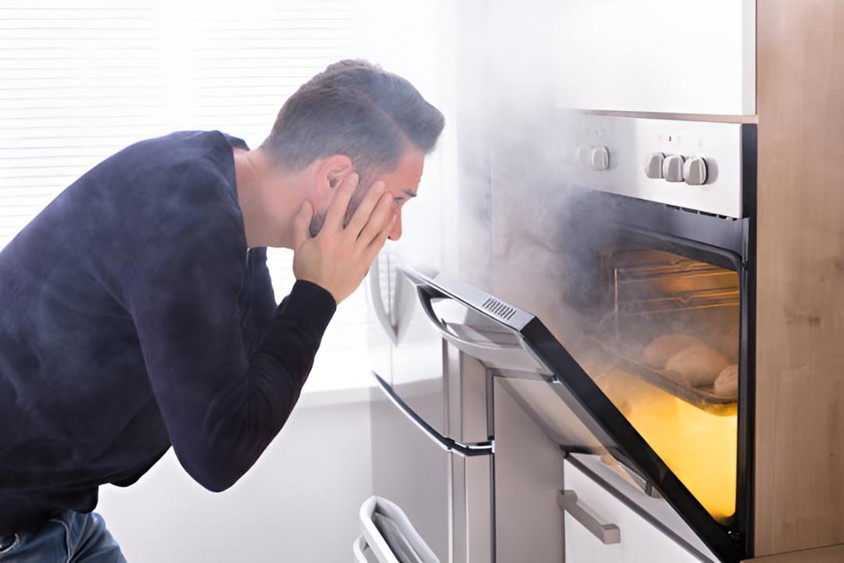
One of the most expensive mistakes is overlooking minor issues and hoping they’ll resolve themselves. Ovens rarely fail without giving some form of warning.
- Food cooking unevenly
- Longer preheating times
- Burning smells or unusual noises
- Controls or displays are behaving erratically
These symptoms often indicate small faults that are relatively affordable to fix. Ignoring these warning signs can cause additional components to fail, turning a simple repair into a major one.
Mistake 2: Attempting DIY Repairs
While DIY repairs may seem cost-effective, ovens are complex appliances that combine electricity, gas, and high temperatures. Without the right skills, small mistakes can be dangerous and expensive.
- Risk of electrical shock or gas leaks
- Incorrect installation of replacement parts
- Voiding manufacturer warranties
In Australia, certain oven repairs, especially gas-related work, must legally be carried out by licensed professionals. Attempting these repairs yourself can result in fines, safety hazards, and further damage.
Mistake 3: Using Incorrect or Low-Quality Replacement Parts
When a component fails, some homeowners opt for the cheapest replacement part available. While this might reduce upfront costs, it often leads to repeated breakdowns.
- Poor-quality parts wear out faster
- Incorrect parts may damage other components
- Appliance efficiency can decrease
Using manufacturer-approved or high-quality compatible parts ensures proper performance and helps maintain the oven’s longevity.
Mistake 4: Skipping Regular Maintenance
Many people only think about their oven when something goes wrong. Lack of routine maintenance is a common and costly mistake.
- Grease build-up is affecting the heating elements
- Blocked vents are causing overheating
- Door seals are wearing out unnoticed
Regular cleaning and professional inspections can prevent these issues, reducing the risk of sudden and expensive repairs.
Mistake 5: Delaying Professional Help to Save Money
Postponing professional repairs is often driven by cost concerns, but it usually ends up costing more.
- Minor faults escalate into major failures
- Energy efficiency drops, increasing power bills
- Replacement becomes necessary sooner
Early professional intervention can resolve issues quickly and help you avoid replacing the entire appliance.
Additional Common Oversights
Beyond the main mistakes, homeowners often underestimate several common oven-using mistakes, including:
- The importance of proper oven ventilation
- The role of door seals in maintaining heat
- The impact of power surges on electronic controls
Addressing these factors early can save money over time.
How to Avoid These Costly Mistakes?
Taking a proactive approach to oven care can significantly reduce repair costs.
- Pay attention to performance changes
- Schedule regular servicing when recommended
- Use qualified technicians for repairs
- Invest in quality parts
Small preventative steps often result in long-term savings.
When Repair Is Better Than Replacement?
Many homeowners assume replacement is the only option once an oven starts acting up. However, repairs are often more economical, especially if the appliance is under ten years old.
- Repairs usually cost less than full replacement
- Extends the appliance’s usable life
- Reduces environmental waste
A professional technician can help assess whether repair or replacement is the better option.
Why Oven Repairs Go Wrong So Often?
Modern ovens combine electrical components, heating elements, sensors, and safety controls. When one part fails, incorrect handling can affect the entire system. Without proper testing, faults can be misdiagnosed or partially resolved, leading to recurring issues. Electrical complexity, combined with hardwired installation, means professional assessment is essential to prevent further damage and maintain safe operation.
- Multiple components rely on a correct electrical balance
- Incorrect repairs can trigger secondary faults
- Licensed diagnosis reduces repeat failures
How Electrica Co. Approach Oven Repairs?
At Electrica Co., oven repairs service are handled with a safety-first and system-wide approach. Each job begins with proper diagnostics to identify both appliance and supply-side issues. This method reduces repeat faults and ensures repairs meet Australian electrical standards. Attention is given to wiring integrity, component compatibility, and long-term reliability, not just restoring short-term function.
- Licensed assessment aligned with Australian safety regulations
- Focus on identifying the underlying electrical causes
- Repairs designed to support lasting appliance performance
Conclusion
Oven faults rarely resolve themselves. The wrong repair decision can increase costs, compromise safety, and shorten appliance life. Informed action and professional assessment make a measurable difference. If your oven is showing signs of trouble, contact us for licensed, compliant, and reliable repair support. Early intervention protects your appliance and your home.
FAQs:
No. Ovens are hardwired appliances and should only be repaired by licensed electricians to ensure safety and compliance.
Common oven faults include heating element failure, thermostat issues, wiring faults, and control board problems.
Yes. Incorrect temperature regulation and damaged components can lead to increased energy consumption.
Replacement may be considered when repair costs exceed the appliance’s value or when safety compliance cannot be restored.
Unlicensed or incorrect repairs can void manufacturer warranties and may affect future support.
Most standard oven repairs can be completed within a single visit, depending on fault diagnosis and parts availability.