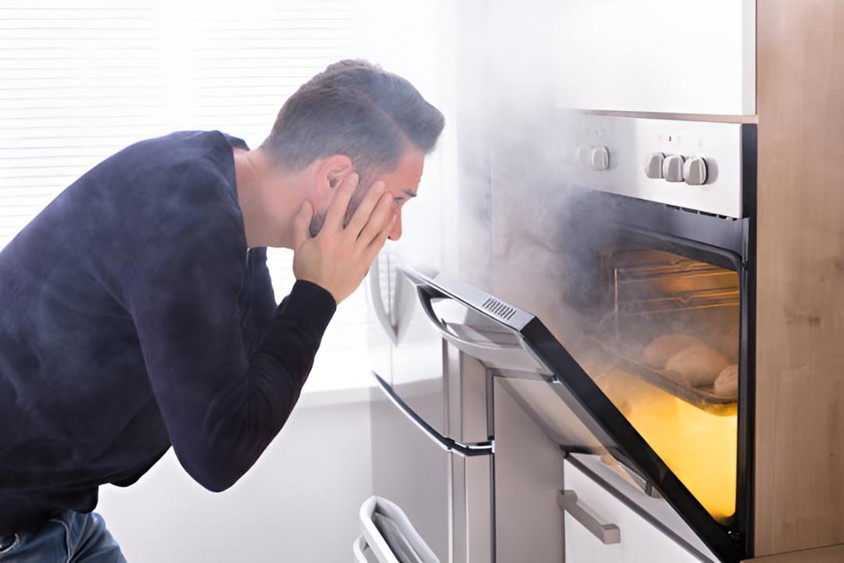
8 Reasons Your Oven Smells Weird
Unusual oven smells often appear without warning and are easy to dismiss. Many homeowners continue cooking without considering the cause behind the odour. Electrica Co frequently encounters situations where simple smells point to deeper electrical or maintenance issues. Recognising these signs early supports safer operation, reduces the risk of damage, and helps maintain reliable oven performance across Australian households.
Table of Contents
ToggleKey Takeaways
- Unusual oven smells signal underlying issues
- Electrical odours require immediate attention
- Cleaning residue can cause strong smells
- Ventilation plays a critical role
- Professional assessment reduces risk
There’s nothing worse than turning on your oven and being hit with a strange or unpleasant smell. For Australian homeowners, a weird oven odour can be alarming, leaving you wondering whether it’s just harmless or a sign of a bigger problem. The truth is, there are several common reasons why your oven might smell off, ranging from everyday cooking residue to serious mechanical issues. Understanding the causes can help you address the problem safely and prevent damage to your appliance.
Here are eight reasons your oven smells weird, explained in detail.
1. Residue from Spills and Grease
One of the most common culprits behind unpleasant oven smells is leftover food residue or grease. Even small spills can burn over time, producing a noticeable odour.
- Food crumbs caught under racks or trays can burn when the oven heats up.
- Grease build-up from roasting meats or baking can emit smoke and foul smells.
- Regular cleaning helps prevent smells from becoming permanent.
For stubborn residue, using a non-toxic oven cleaner or gentle method can make a big difference.
2. New Oven Smell
If your oven is brand new, some odours are perfectly normal. Manufacturing oils, protective coatings, and adhesives can release smells when first heated.
- It usually only happens during the first few uses.
- Odour often disappears after 1–3 cooking cycles.
- Run the oven empty at a high temperature for 20–30 minutes to burn off residues safely.
Always check the user manual for “first use” cleaning instructions to reduce new appliance smells.
3. Burnt Food Left Behind
Food that falls onto the bottom of the oven or gets stuck behind racks can start to burn over time, creating a persistent smell.
- Common after roasting meat or baking sugary foods.
- The smell worsens as the oven heats and smoke builds.
- Regularly inspect the bottom and sides of your oven and remove any stuck bits of food.
Neglecting this can lead to lingering odours and even smoke alarms going off.
4. Spilled Oil or Fat
Cooking oils and fats are notorious for creating strong, lingering smells when they overheat.
- Oils can carbonise and stick to surfaces, producing a burnt smell.
- Animal fats (from roasting chicken or meat) tend to create more noticeable odours than plant oils.
- Cleaning grease promptly prevents the smell from returning each time you use the oven.
Using oven liners or baking trays can minimise spillage and make cleaning easier.
5. Electrical or Mechanical Issues
Sometimes, a weird smell isn’t about food at all, it could be a sign of an electrical problem.
- Burning plastic or rubber smells may indicate wiring issues.
- The smell of ozone or metal can suggest a malfunctioning heating element.
- Sparks or smoke should be treated as an emergency; turn off the oven and call a licensed repairer.
Electrical issues are less common but can be dangerous if ignored.
6. Gas Leaks in Gas Ovens
For homes with gas ovens, a strong, rotten egg smell could indicate a gas leak.
- Natural gas is odourless, but gas companies add a chemical to make leaks detectable.
- Never attempt to fix a gas leak yourself.
- Evacuate the area immediately and contact your gas provider or a licensed gas technician.
Regular servicing of gas ovens helps prevent leaks and ensures safe operation.
7. Dirty Oven Filters or Vents
In some models, especially fan-forced or convection ovens, smells can build up in vents and filters.
- Accumulated grease or dust can heat up and produce odours.
- Filter cleaning is often overlooked during routine oven maintenance.
- Remove and wash filters regularly according to the manufacturer’s instructions.
Proper airflow helps the oven cook evenly and keeps smells under control.
8. Moisture or Mould Build-Up
Occasionally, lingering odours are caused by moisture trapped in the oven or mould forming in rarely used appliances.
- Dampness can result from boiling liquids or spills that weren’t cleaned.
- Mould produces a musty smell, especially in ovens that aren’t used frequently.
- Wipe the interior with a mild vinegar solution and ensure the oven dries completely before next use.
For ovens stored for long periods, run them on a short high-heat cycle to eliminate damp odours.
Tips to Keep Your Oven Smelling Fresh
Maintaining your oven is the best way to avoid unpleasant smells:
- Clean spills and grease
- Run a monthly self-clean cycle if your oven has this feature.
- Use a baking soda or vinegar solution for regular wipe-downs.
- Check filters, vents, and racks for trapped debris.
- Schedule professional servicing for gas or electric ovens annually.
Why Oven Smells Should Never Be Ignored?
Ovens operate under high heat and electrical load. When something is out of balance, odours are often the first warning sign. What begins as a mild smell can quickly indicate overheating components, wiring stress, or ventilation issues. Ignoring these signs may lead to safety risks, appliance damage, or power faults, particularly in older or heavily used ovens.
- Early indicator of electrical or mechanical issues
- Helps prevent larger, more costly repairs
- Supports safer appliance operation
How Electrica Co. Handle Oven Odour Issues?
At Electrica Co., oven smell investigations begin with thorough diagnostics. Both appliance components and the electrical supply are assessed to identify the true cause. This process helps distinguish between surface-level issues and underlying electrical faults as part of a professional oven repairs service. Attention is given to ventilation, wiring condition, and component performance to ensure the problem is resolved safely and does not return.
- Detailed inspection of internal oven components
- Assessment of wiring, connections, and power supply
- Solutions focused on safety, compliance, and reliability
Conclusion
Oven smells are rarely random. They are often early indicators of maintenance, safety, or electrical issues that deserve attention. Acting early protects both your appliance and your home. If your oven is producing unusual odours, contact us for licensed inspection and reliable repair support. Prompt action ensures safe operation and peace of mind.
FAQs:
Some odours are normal during first use or after cleaning, but persistent or sharp smells should be investigated.
A burning electrical smell may indicate overheated wiring or electrical component failure and requires urgent professional inspection.
Yes. Burning plastic, wiring, or electrical insulation can release fumes that may be harmful if inhaled.
Light cleaning should be performed regularly, with deeper cleaning carried out as needed based on usage.
Yes. If the smell is strong, unusual, or electrical, stop using the oven and arrange a professional inspection.
Yes. Blocked or inadequate ventilation can trap heat and odours inside the oven, increasing smell issues.