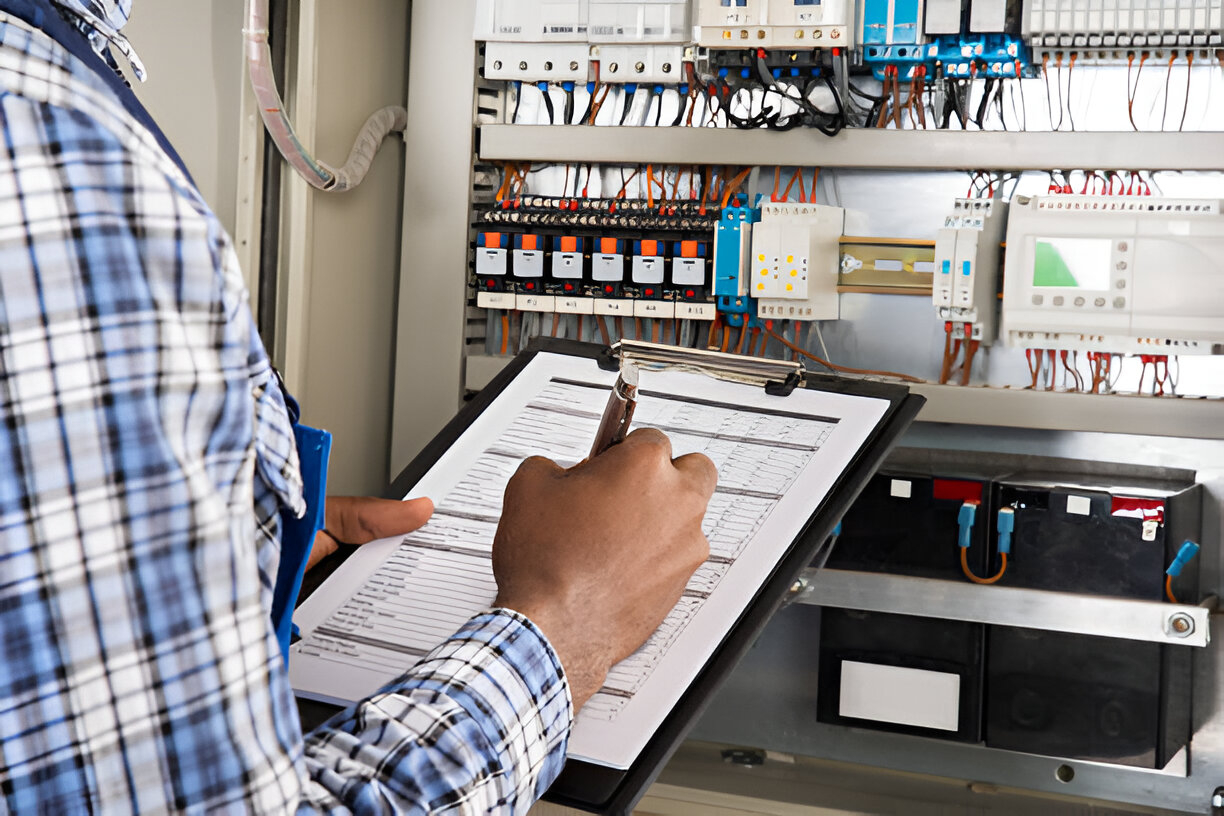
Why Routine Electrical Inspections Are Essential for Business Safety?
Business safety depends heavily on well-maintained electrical systems. Faults left undetected can lead to fire hazards, equipment failure, and costly downtime. Electrica Co. emphasises that routine electrical inspections are not just a compliance measure but a proactive safeguard for staff and assets. By scheduling regular checks, businesses can prevent risks, maintain smooth operations, and ensure they meet workplace safety standards with confidence.
Table of Contents
ToggleKey Takeaways
- Workplace fires are often triggered by electrical faults.
- Regular inspections identify risks before they escalate
- Compliance with Australian Standards is mandatory
- Electrica Co. provides reliable business safety solutions
The Importance of Electrical Safety in Businesses
Electrical faults remain one of the leading causes of workplace fires and downtime. According to Safe Work Australia’s electrical safety statistics, incidents involving faulty wiring or equipment contribute to serious injuries and financial loss across multiple industries.
For businesses, the risks include:
- Fire hazards from overloaded circuits or damaged wiring.
- Productivity loss from unexpected power failures.
- Non-compliance with workplace health and safety standards.
- Liability concerns if employees are exposed to unsafe conditions.
Electrical Safety: A Legal and Moral Responsibility
Under Work Health and Safety (WHS) regulations, all employers have a duty of care to ensure a safe working environment. This includes identifying and mitigating electrical risks while complying with recognised electrical safety and standards.
Businesses are legally required to:
- Maintain all electrical equipment in a safe working condition.
- Ensure regular testing and tagging of portable appliances.
- Prevent exposure to electrical hazards in the workplace.
Failing to meet these obligations can result in penalties, workplace accidents, and legal liability, not to mention the damage to your reputation. Routine electrical inspections are one of the most effective ways to stay compliant and protect everyone on site.
What Are Routine Electrical Inspections?
Routine electrical inspections are scheduled assessments carried out by licensed electricians to ensure that a business’s electrical systems are safe, compliant, and operating efficiently. These inspections cover a wide range of electrical components and systems, including:
- Power points and light switches
- Circuit breakers and switchboards
- Emergency lighting systems
- Safety switches (RCDs)
- Hard-wired appliances and machinery
- Cabling, conduits and junction boxes
- Smoke detectors and fire alarms
- Backup generators and UPS systems
Inspections may also include thermal imaging, which helps detect hotspots or overloaded circuits that aren’t visible to the naked eye.
Depending on the nature of your business and the state you operate in, you may be required to conduct inspections:
- Annually
- Every six months
- After any major installation or renovation
- Following a serious incident or near miss
Why Routine Electrical Inspections Matter for Business Safety?
Let’s take a closer look at the key reasons why regular inspections are a must for any business.
1. Prevent Fires and Electrical Hazards
Faulty wiring, overloaded circuits, and malfunctioning equipment are among the leading causes of commercial fires. Routine inspections can identify these problems before they lead to disaster.
For example, an overloaded power board or a loose connection in a switchboard might not show immediate signs of failure, but over time, they can generate excessive heat and ignite surrounding materials.
A licensed electrician conducting a routine inspection can detect these issues early and recommend corrective action, whether it’s rewiring, upgrading components, or redistributing loads safely.
2. Protect Employees and Customers
Electric shocks, arc faults, and electrical burns can cause serious injury or death. If an employee or customer is harmed due to faulty electrical infrastructure on your premises, you could be held liable.
Routine inspections:
- Identify exposed wires or unsafe connections
- Test safety switches (RCDs) to ensure they trip correctly
- Ensure equipment is properly earthed and maintained
By keeping your electrical systems in check, you’re actively reducing the risk of injury and fulfilling your duty to provide a safe environment for everyone on your property.
3. Minimise Downtime and Business Interruptions
Electrical faults often strike without warning, and when they do, they can shut down entire sections of your business. Imagine your POS system failing on a busy trading day, or machinery grinding to a halt in the middle of a production run.
Routine inspections help detect issues like:
- Worn insulation or corroded cables
- Failing components in switchboards or control panels
- Overloaded circuits are likely to trip under load
By spotting these issues early, you can schedule repairs at a convenient time, rather than dealing with emergency breakdowns that halt operations and bleed money.
4. Ensure Compliance and Insurance Coverage
Insurers often require proof of regular maintenance and inspections to honour claims related to electrical faults. If you experience a fire or electrical shock incidents and can’t provide inspection records, you could be denied coverage.
Routine inspections help you:
- Stay compliant with Australian Standards (e.g., AS/NZS 3760 for testing and tagging)
- Maintain insurance validity
- Avoid WHS violations or fines
Proper documentation from licensed electricians shows that you’ve taken proactive steps to manage electrical safety, which can also support you in legal matters or audits.
5. Increase Equipment Lifespan and Efficiency
Electrical systems that are poorly maintained tend to run hotter, draw more power, and wear out faster. This increases your power bills and shortens the lifespan of your machinery and appliances.
Routine inspections help to:
- Detect inefficiencies in power use
- Prevent damage from surges or unstable voltage
- Extend the life of expensive equipment by catching issues early
For businesses that rely on high-end equipment, like manufacturing, medical, or tech industries, regular inspections can save tens of thousands in unexpected replacements or repairs.
What to Expect During an Inspection?
A professional routine inspection by qualified electrical specialists typically includes:
- Visual assessment of switchboards, cabling, outlets, and lighting systems.
- Testing of safety switches (RCDs) to ensure they activate within the correct timeframes.
- Inspect for any signs of heat damage, rust, or visible wear.
- Testing and tagging of portable appliances, especially in high-risk environments like construction, hospitality, and manufacturing.
- Review of previous electrical work and inspection history to identify trends or recurring issues.
- Report and recommendations, outlining any immediate hazards and proposed upgrades or maintenance.
Make sure you receive a full written report after the inspection, this will be your record for insurance and compliance purposes.
Benefits of Routine Inspections
- Fire Prevention – Detecting faults before they ignite.
- Cost Savings – Reducing emergency repair bills.
- Minimised Downtime – Avoiding unexpected outages.
- Employee Safety – Providing a secure working environment.
- Peace of Mind – Knowing your workplace meets compliance standards.
Conclusion
Routine electrical inspections are vital for every business, regardless of size or industry. They protect employees, prevent fire hazards, and keep operations running smoothly. At Electrica Co., we provide professional inspections that meet compliance standards and give businesses peace of mind. Contact us today to schedule your inspection and keep your workplace safe.
FAQs:
Most workplaces should schedule inspections every 12 months, though high-risk environments may require more frequent checks.
It increases fire risks, raises liability exposure, and may breach WHS obligations.
Yes. Even new installations must be inspected to confirm compliance and safety.
Yes. Regular checks detect overloaded circuits or failing equipment before outages occur.
Yes. We tailor our services to suit small offices through to large industrial facilities.