The Hidden Dangers of Ignoring Oven Repairs
Modern kitchens rely heavily on appliances that perform safely and consistently. When an oven starts behaving differently, the issue is rarely cosmetic and often electrical. Electrica Co. regularly attends homes where minor oven faults were left unchecked and later caused serious safety, efficiency, or performance concerns. From electrical strain to fire exposure and food safety risks, unresolved oven issues can quietly affect the entire household far sooner than most homeowners expect.
Table of Contents
ToggleKey Takeaways
- Faulty ovens increase fire and electrical risks
- Minor issues often lead to costly damage
- Energy bills rise when efficiency drops
- Accurate temperatures support food safety
- Early repairs protect your home
Your oven is one of the hardest-working appliances in the house. Whether you’re grilling snags for a weekend barbie substitute, baking a pav for unch, or roasting a chook on a Sunday arvo, it cops a fair bit of wear and tear. When something goes wrong, it’s rarely just a minor inconvenience. In many cases, it’s a warning sign.
Let’s take a proper look at the hidden dangers of putting off oven repairs.
Fire Hazards Lurking in Your Kitchen
One of the biggest risks of ignoring oven issues is the potential for fire. Ovens operate at extremely high temperatures, and any electrical fault can quickly escalate.
Common fire-related risks include:
- Faulty heating elements that spark or overheat
- Damaged wiring is hidden behind the unit
- Grease build-up ignites due to inconsistent heat
A small electrical fault today can become a full-blown kitchen fire tomorrow. In Australia, house fires caused by cooking appliances are more common than most people realise. That “burning smell” you’ve been ignoring? It might not just be last week’s split cheese.
Higher Power Bills That Sneak Up on You
An oven that’s not working properly often becomes inefficient. It may take longer to preheat, struggle to maintain temperature, or cycle on and off more than it should.
That inefficiency leads to:
- Longer cooking times
- Extra strain on internal components
Over time, those small increases in your energy bill can add up. In a country where power prices are already a sore point for many households, ignoring an inefficient oven is like tipping money straight down the drain.
Food Safety Concerns You Might Not Notice
If your oven can’t maintain a consistent temperature, you’re not just risking a burnt dinner, you’re risking food safety.
Undercooked meat, especially chicken or pork, can harbour harmful bacteria. If your oven thermostat is faulty, the temperature displayed may not match the actual heat inside.
This can result in:
- Meat that looks cooked on the outside but is raw inside
- Uneven baking that ruins recipes
- Increased risk of food poisoning
For families with young kids, elderly relatives, or anyone with a weakened immune system, this risk is even more concerning. A dodgy oven isn’t just frustrating; it can genuinely put your household’s health at risk.
Damage That Gets Worse (and More Expensive)
It’s a classic Aussie habit: ignore a small problem until it turns into a big one. Unfortunately, ovens don’t magically fix themselves.
A minor issue like a worn door seal can lead to:
- Heat escaping and overworking the heating elements
- Warped hinges from excess strain
- Cracked glass due to temperature stress
Similarly, a faulty fan in a fan-forced oven can eventually damage the motor or heating system entirely. What could have been a relatively affordable repair becomes a full replacement job.
And let’s be honest, replacing an entire oven isn’t cheap. Between the cost of the appliance and installation, you’re looking at a much bigger dent in the wallet than a simple repair would’ve caused.
Electrical Shock Risks
Ovens are high-powered appliances, and when electrical components start failing, there’s a risk of electric shock.
Potential warning signs include:
- The oven is tripping your circuit breaker
- Sparks when turning it on
- A tingling sensation when touching the appliance
- Flickering display panels
These are not issues to brush off. Electrical faults can pose serious safety hazards. DIY fixes might seem tempting, but unless you’re a licensed electrician, you could be putting yourself in harm’s way.
Impact on Property Value and Insurance
It might sound dramatic, but faulty appliances can also affect your home’s value and even your insurance coverage.
If an unmaintained oven causes a fire and it’s found that you ignored clear warning signs, insurers may scrutinise the claim. Additionally, when selling your property, malfunctioning appliances can be a red flag for buyers.
Keeping appliances in good working order isn’t just about convenience, it’s about protecting your investment.
The Stress and Inconvenience Factor
There’s also the everyday stress to consider. An unreliable oven makes meal planning harder and hosting guests risky. No one wants to serve up a half-cooked roast at a family gathering or burn the birthday cake on the big day.
Ignoring repairs can lead to:
- Last-minute takeaway expenses
- Ruined meals and wasted groceries
- Frustration and unnecessary household tension
In a busy Aussie household, that extra stress is the last thing you need.
When to Call in the Pros
So, how do you know it’s time to stop putting it off?
Call a qualified technician if you notice:
- Inconsistent temperatures
- Strange noises or smells
- Visible damage to elements or seals
- Frequent power trips
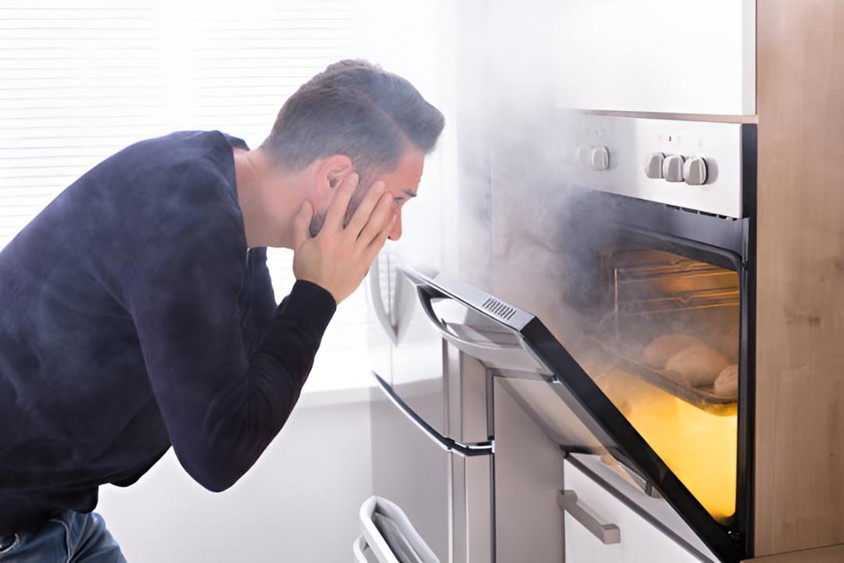
Delaying action often leads to common oven repair mistakes, such as continuing to use a faulty appliance or attempting temporary fixes. Don’t wait until smoke is pouring out of the kitchen. Early action can save you money, inconvenience, and potentially your home.
Why Professional Oven Repairs Matter
Ovens are not suitable for DIY repairs. They contain live electrical components that require licensed expertise and compliance with Australian safety standards, which is why a professional oven repair service is essential.
Professional oven repairs ensure:
- Accurate diagnosis of common electrical faults
- Safe handling of high-load circuits
- Compliance with Australian regulations
- Reliable long-term appliance performance
At Electrica Co., we assess ovens as part of your broader electrical system, not just as isolated appliances.
Conclusion
Oven issues rarely resolve on their own, and delaying repairs often leads to higher risk, greater expense, and unnecessary disruption. Electrical faults, heat imbalance, and efficiency loss can all compromise safety within the home when left unattended. Addressing problems early protects your property, reduces long-term costs, and ensures reliable cooking performance. If your oven is no longer operating as it should, contact us to arrange a professional assessment and restore safety, efficiency, and peace of mind.
FAQs:
Yes. Ovens draw high electrical loads, and unresolved faults can place ongoing strain on circuits, switchboards, and wiring.
Often, yes. Faulty thermostats or heating elements can cause temperature fluctuations and inconsistent results.
Yes. Heat escaping through a damaged seal can overheat nearby surfaces and reduce energy efficiency.
Ovens should be inspected when performance changes or during broader electrical safety checks, especially in older homes.
Older ovens may lack modern safety features and can develop insulation or wiring issues over time.
Yes. Repairs restore proper temperature control, ensuring safer and more consistent cooking outcomes.
No. Burning or electrical odours are warning signs that should be assessed immediately by a licensed electrician.