Why You Should Install Safety Switches in Every Room
Electricity powers modern life, but without the right safeguards, it can also pose serious risks. At Electrica Co., safety isn’t optional; it’s essential. Installing safety switches in every room ensures continuous protection for your home, your loved ones, and your electrical system. These devices detect electrical faults in milliseconds, cutting power instantly before harm occurs.
Table of Contents
ToggleKey Takeaways
- Safety switches stop electric shock by disconnecting power in milliseconds.
- All rooms benefit from safety switch protection, not just wet zones.
- Compliance with Australian Standards ensures safety and insurance coverage.
- Safety switches reduce the risk of electrical fires.
- Regular testing keeps the system reliable.
What Are Safety Switches?
- Safety switches, also known as Residual Current Devices (RCDs), are designed to monitor the flow of electricity within a circuit at all times. If even a minor imbalance occurs, for example, when current leaks through a person, a damaged cable, or a faulty appliance, the safety switch reacts instantly by disconnecting the power. This prevents electric shocks and minimises the risk of severe injury.
- Unlike circuit breakers, which mainly safeguard electrical wiring and equipment from overloads or short circuits, safety switches focus on protecting human life. Detecting irregularities that standard fuses or breakers cannot, these devices provide an essential layer of safety in every home or workplace.
Why Every Room Should Have a Safety Switch
Electrical hazards are not confined to kitchens, laundries, or bathrooms. A single frayed wire or section of worn or faulty electrical wiring in a bedroom, office, or garage can pose serious risks. Installing safety switches in every room ensures consistent protection throughout the property, creating a safer environment for occupants.
Instant Protection from Electric Shock
Safety switches act within 0.03 seconds, shutting off power before an electric shock can cause serious harm. This rapid response is particularly crucial in homes with young children, elderly residents, or pets who may be more vulnerable. The near-instant disconnection time gives peace of mind, knowing that life-threatening situations can be prevented in a fraction of a second.
Compliance with Australian Safety Standards
Australian regulations require safety switches on new circuits to ensure electrical systems comply with the AS/NZS 3000 electrical installation standards. However, many older properties still operate without full RCD coverage, putting occupants at unnecessary risk. Bringing an older electrical system up to code is not just a legal requirement but also a vital step toward modern home safety. It helps maintain compliance, improves insurance eligibility, and enhances property value.
Protection Across High-Use Zones
Today’s homes and workplaces rely on multiple electrical devices, from heaters and phone chargers to computers, televisions, and kitchen appliances. Each plug point and cable increases the potential for electrical faults. Installing safety switches across all high-use areas ensures every circuit is monitored, significantly reducing the chances of electrocution or damage caused by overloaded systems.
Reduced Fire Hazards
Electrical fires often begin quietly, triggered by frayed cords, loose connections, or overheating components. Safety switches can detect irregular current flow well before a spark or arc occurs, disconnecting power instantly to stop the danger from escalating. According to Fire and Rescue NSW, a large percentage of residential fires stem from preventable electrical faults, a risk that can be drastically reduced with proper switch installation and regular maintenance.
How Safety Switches Work
- A safety switch constantly compares the amount of electrical current entering and leaving a circuit. When it senses a difference of more than 30 milliamps, it immediately cuts the power to stop further current flow. This mechanism protects users from dangerous shock levels that might otherwise go unnoticed.
- Modern safety switches are compact, efficient, and versatile. Designed for flexibility, these devices can be fitted directly onto a main switchboard to protect multiple circuits or installed at individual power outlets for focused safety in high-risk zones. This adaptability allows for layered protection, ensuring every part of a property remains properly safeguarded.
Types of Safety Switches
Understanding the available types helps ensure complete and balanced electrical protection:
- Power Point Safety Switches: Installed directly on specific outlets, these are ideal for areas exposed to moisture or heavy appliance use, such as kitchens, laundries, and workshops.
- Portable Safety Switches: Designed for temporary or mobile setups, these devices provide convenient protection for outdoor activities, garden tools, and extension leads.
- Combination Safety Switches: These units combine the functions of a circuit breaker and an RCD, offering both overload and shock protection. Suitable for comprehensive, whole-home electrical coverage, this type provides an all-in-one solution for enhanced safety.
Maintenance and Testing
- To ensure ongoing protection, safety switches must be tested regularly. Every three months, press the TEST button on each switch to verify that it trips immediately. This indicates that the mechanism is functioning correctly.
- If the switch does not respond, it could signal a fault within the system, and a licensed electrician should inspect it without delay. Regular testing helps maintain reliability and ensures compliance with electrical safety recommendations.
Signs You Need an Upgrade
Older or malfunctioning electrical systems often reveal warning signs before becoming serious safety risks. Upgrading safety switches or the main switchboard is essential if any of the following occur:
- Old switchboards without RCD protection: Older panels often lack residual current devices, leaving circuits unprotected and increasing the risk of electric shock or fire.
- Frequent tripping or flickering lights: Constant tripping or dimming may signal overloaded circuits or worn wiring that can no longer manage power demand safely.
- Ageing or damaged wiring: Over time, insulation breaks down, exposing live wires and creating potential shock or short-circuit hazards.
- Tingling sensations on metal surfaces: A mild electric shock when touching appliances or taps indicates current leakage and poor grounding.
- Buzzing outlets or burning smells: Unusual sounds or odours from outlets often point to loose wiring or internal arcing, which can quickly escalate into a fire.
Upgrading ensures safer operation, better energy efficiency, and compliance with current Australian electrical standards.
Professional Installation Matters
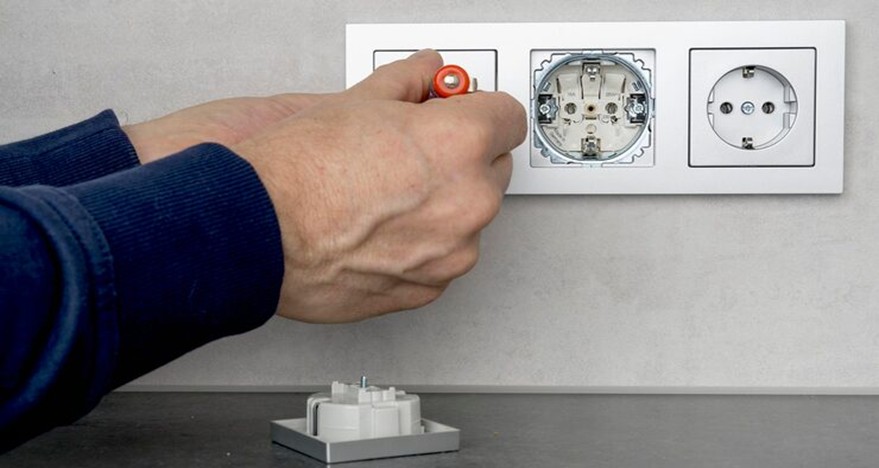
- Electrical safety is not an area for experimentation. Attempting to install or replace safety switches without proper training can lead to severe injury or property damage. Only qualified and licensed electricians are permitted to perform this work.
- Professional installation ensures correct wiring, appropriate load balancing, and optimal placement of safety switches throughout the property. Once installed, each device is thoroughly tested to verify performance under real-world conditions, ensuring reliable protection for years to come.
Conclusion
Every room deserves protection. A single overlooked circuit can compromise the entire property. At Electrica Co., we provide expert electrical services to help households across Australia install and maintain reliable safety switches, ensuring electrical safety where it matters most. Get in touch with us today to book an inspection or switchboard upgrade.
FAQs
A circuit breaker protects electrical wiring and equipment from damage caused by overloads or short circuits. A safety switch, on the other hand, protects people by detecting electrical faults such as current leakage and immediately cutting the power supply.
Safety switches should be tested every three months. The test button on the device can be pressed to confirm that it trips as expected, ensuring it remains in proper working condition.
Yes. Many older homes were built without Residual Current Devices (RCDs). Installing safety switches in such homes enhances electrical safety and helps meet current safety standards.
Yes. Safety switches detect electrical faults before overheating or sparks occur, significantly lowering the risk of an electrical fire.
The number of safety switches depends on the number of circuits within a property. Generally, each circuit or room should be protected by its own safety switch to ensure full coverage.
Repeated tripping can be caused by faulty appliances, wiring issues, or moisture within the circuit. The problem should be identified and repaired by a licensed electrician to restore safe operation.