Why You Should Never Ignore a Tripping Circuit Breaker?
Electrical safety often reveals itself in small signals, and a tripping circuit breaker is one of the most important. This is not an issue to reset and forget, as it points to deeper risks hidden in your wiring or appliances. At Electrica Co., we believe every trip deserves attention, as it protects against hazards that can affect both property and personal safety.
Table of Contents
ToggleKey Takeaways
- Circuit breakers trip to protect your home
- Common causes include overload, short circuits, and faults
- Ignoring trips risks fire, shocks, and appliance damage
- Resetting without inspection is unsafe
- Professional inspections and upgrades are essential
What is a Circuit Breaker, Anyway?
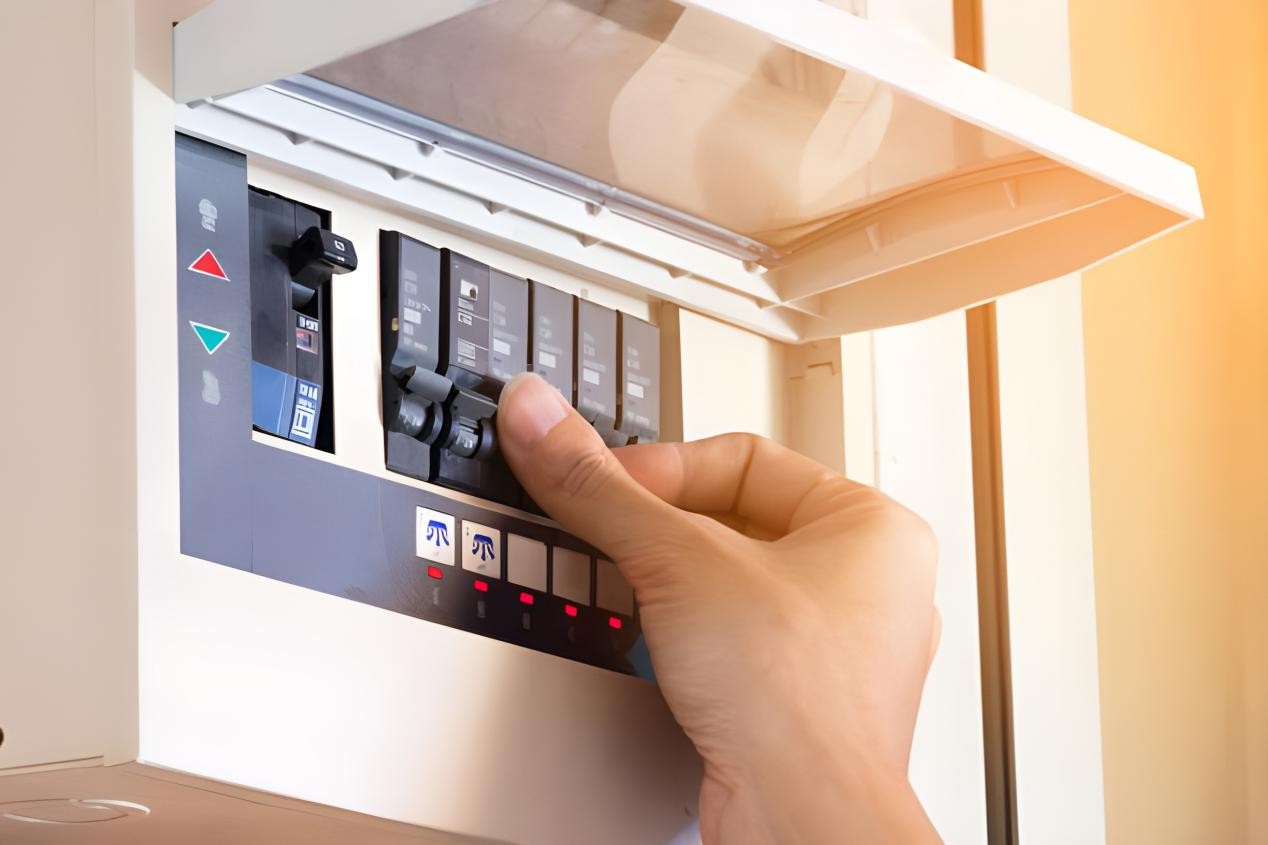
A circuit breaker is a safety switch in your switchboard that automatically cuts off the electricity when there’s a fault. Think of it like your home’s electrical bodyguard, its job is to stop things from getting out of hand.
It trips (i.e., switches off) for a few key reasons:
- Overloaded Circuits – Too many appliances drawing power on one line.
- Short Circuits – Where electricity takes a “shortcut” through faulty wiring.
- Earth Leakage – When electricity escapes from the circuit (detected by a safety switch).
- Faulty Appliances – Dodgy kettles, heaters, or fridges can cause trips.
Common Causes of a Tripping Breaker
1. Circuit Overload
- Too many appliances on one circuit.
- High-demand items like heaters or microwaves overwhelm capacity.
2. Short Circuit
- Occurs when a live wire touches a neutral.
- Produces excess current, often with sparks or burning smells.
3. Earth Fault
- When live current flows directly into the earth.
- A serious safety risk, often requiring immediate attention.
4. Faulty Appliances or Wiring
- Old appliances can draw dangerous current.
- Worn wiring creates hidden hazards.
Why You Shouldn’t Just Reset and Forget?
Sure, resetting the breaker might seem like the easy fix, but if it keeps happening, it’s your home’s way of telling you something’s not right.
Here’s why ignoring a tripping breaker is a big no-no:
1. It’s a Fire Hazard
Electrical faults remain a major cause of house fires. When a breaker trips, it prevents overheated wires and sparks from igniting flammable materials in your walls or roof cavity.
If you keep resetting the breaker without addressing the cause, you’re essentially bypassing that built-in protection. And if the fault gets worse? You’re rolling the dice with fire.
2. You Could Get an Electric Shock
Some trips are caused by earth leakage, meaning electricity is flowing somewhere it shouldn’t be, like through a wet appliance, damaged cable, or even a person.
This type of fault can be deadly. Your residual current device (RCD), also known as a safety switch, is designed to trip in milliseconds to prevent electrocution. If you keep ignoring the tripping, you’re putting yourself and others at risk of a nasty, or even fatal, shock.
3. It Damages Your Appliances
Frequent power cuts and resets can stress your electrical devices, especially fridges, computers, and TVs. Voltage spikes and sudden shutoffs aren’t good for sensitive electronics and can shorten their lifespan or cause them to stop working altogether.
So while you might save a few bucks by not calling an electrician, you could end up forking out more to replace fried appliances.
4. It Might Be a Hidden Fault You Can’t See
Electrical issues aren’t always obvious. The wiring behind your walls, in your roof, or under the house could be damaged, frayed, or chewed by pests. You won’t spot that on your own, but a qualified sparkie will.
In older homes, outdated wiring might not be up to scratch with current Australian safety standards. If your switchboard hasn’t had a look-in for a few decades, it might be time for an upgrade.
5. Insurance Might Not Cover You
Here’s one that catches many homeowners out: if a fire or damage occurs due to an electrical fault you ignored, your home and contents insurance could refuse your claim. That includes continually resetting a tripping breaker without fixing the root cause.
Insurers expect you to maintain your property to a reasonable standard. Repeated electrical issues that weren’t properly addressed can be seen as negligence, and that could cost you thousands.
What To Do If Your Breaker Keeps Tripping
If the same circuit keeps tripping, here’s what you should do:
- Unplug appliances on that circuit and reset the breaker.
- Plug them in one by one to see if a specific appliance is the problem.
- If the breaker still trips with nothing plugged in, or trips randomly, call a qualified electrician.
Never:
- Tape down the breaker.
- Jam it to stay on.
- Swap it out yourself.
These DIY “fixes” are not only illegal, they’re downright dangerous.
Signs You Should Call an Electrician ASAP
- Burning smells from powerpoints or switchboards.
- Flickering lights or buzzing sounds.
- Appliances that trip the breaker when turned on.
- Breaker trips more than once a week.
Don’t muck around with electricity. A qualified electrical specialists will test the circuit, check your wiring, and fix the fault safely and to code.
Prevention is Better Than Repair
To avoid problems before they start, it’s a good idea to:
- Have your switchboard inspected every few years.
- Replace old or dodgy appliances.
- Avoid overloading powerboards.
- Get safety switches installed on all circuits.
- Book a qualified sparkie for regular home electrical health checks.
Conclusion
A tripping circuit breaker is never just a nuisance, it’s a message from your electrical system that something isn’t right. Addressing the issue early avoids hazards and costly repairs. At Electrica Co., we help homeowners and businesses stay safe through inspections, repairs, and modern electrical upgrades. Contact us today to book a professional inspection and safeguard your property.
FAQs:
Yes, an occasional trip during high demand may occur. Repeated tripping usually signals a deeper electrical issue that requires professional attention.
No. Constantly resetting a breaker without identifying the cause increases the risk of fire or equipment damage.
“Not always. Frequent tripping may be due to wiring or appliance faults, but an electrician should test the breaker to confirm if replacement is needed.
A circuit overload happens when too many devices run on the same circuit. A short circuit occurs when faulty wiring allows excessive current to flow suddenly.
Common signs include flickering lights, burning smells, or frequent breaker trips. A qualified electrician can confirm by inspecting your wiring.
Yes, if your home uses old ceramic fuses or cannot handle modern appliance loads. Upgrading improves safety, efficiency, and compliance with current standards.