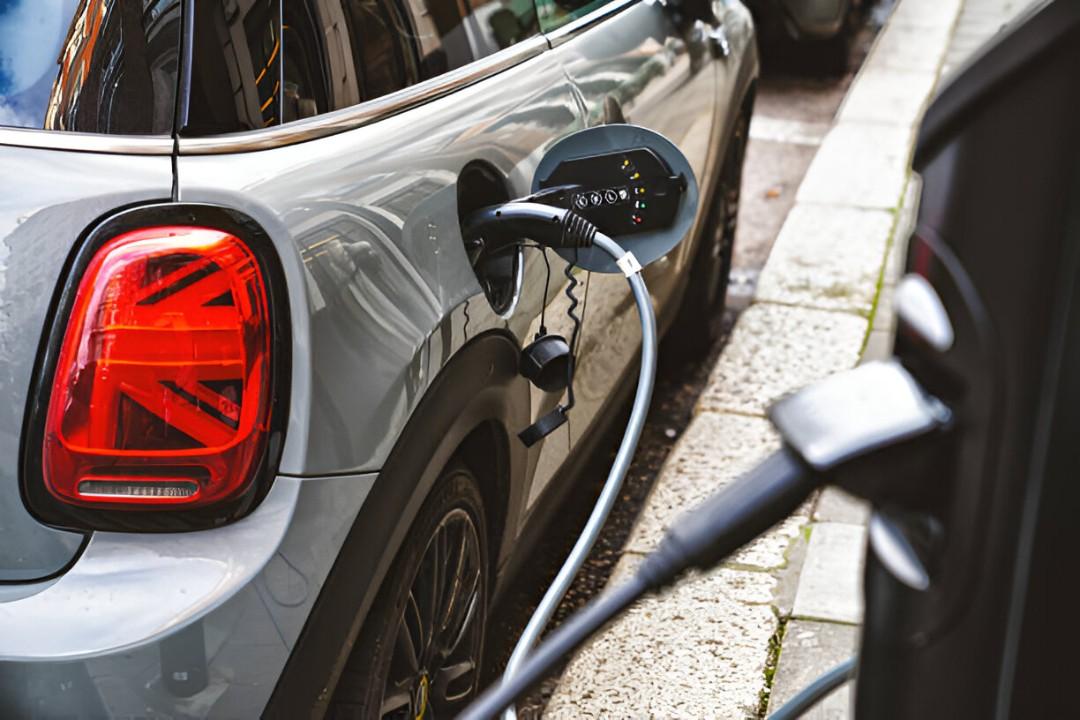
Home EV Charger vs Public Charging: Pros, Cons, and What’s Right for You?
Choosing between a home EV charger and public charging can feel overwhelming, especially with rapid shift towards electric transport. Electrica Co. supports homeowners with clear, practical guidance to determine the safest, most efficient, and cost-effective charging option for everyday use.
Table of Contents
ToggleKey Takeaways
- Home chargers offer lower long-term charging costs
- Public chargers provide flexibility during longer trips
- Charging speed varies based on equipment type
- Installation quality influences home charging safety
- A mix of both options may suit many EV owners
Understanding How Home Charging Works
Home EV charging continues to grow across Australia, especially as households seek reliable access to power every day. Installing a Level 2 home charger gives your vehicle a dedicated energy supply that plugs directly into your electrical system. This creates stable, predictable charging without relying on public availability or long queues.
Home charging suits drivers who complete most of their travel locally, such as school runs, commuting, sports activities or weekend errands. Overnight charging also helps preserve routine by ensuring the vehicle is ready each morning. To support daily use, home charging also offers:
- Consistent access to power without unexpected downtime
- Better cost control through off-peak electricity rates
- A safer environment compared to makeshift extension cables
- Flexibility to charge according to your schedule rather than public station availability
- A practical solution for households wanting a smooth, stress-free EV ownership experience
Choosing between a home EV charger and relying on public charging depends on your lifestyle, driving habits, and budget. Here’s a breakdown of the pros, cons, and considerations to help you make the right call.
The Case for Home EV Charging
For most EV owners, charging at home offers unparalleled convenience. Imagine plugging in overnight and waking up to a full battery, similar to charging your phone. No queues, no detours, and no fuss.
Pros of Home Charging
- Convenience and Routine-Friendly: You can charge your EV while you sleep or relax, making it extremely easy to fit into your day-to-day.
- Lower Energy Costs: Home electricity rates, especially with off-peak tariffs or solar systems, can be significantly cheaper than fast public charging.
- Better Battery Health: Slower AC charging at home is generally gentler on your battery compared to frequent DC fast charging.
- Adds Property Value: Having a dedicated EV charger at home is increasingly seen as a desirable feature for future buyers.
- Energy Independence: When paired with rooftop solar and home batteries, you can charge using clean, low-cost renewable energy.
Cons of Home Charging
- Upfront Installation Cost: Installing a Level 2 charger can range from a few hundred dollars to a couple of thousand, depending on your switchboard, wiring, and location.
- Not Suitable for Everyone: Apartment residents, renters, or homeowners with limited electrical capacity may not be able to install a EV Chargers at Home
- Slower Than Public Fast Chargers: Although perfect for overnight, home chargers cannot match the rapid top-ups of DC fast chargers.
Public Charging: A Growing Network
Public charging has expanded considerably across major highways and city centres, making long-distance and flexible EV travel more practical than ever. For some drivers, especially those without off-street parking, it’s essential.
Pros of Public Charging
- Fast Charging Speeds: DC fast chargers can take an EV from 20% to 80% in as little as 20–40 minutes, ideal for road trips or quick top-ups.
- Good for Apartment or City Living: For drivers without access to home charging, public networks provide the backbone for daily use.
- Pay-Per-Use Flexibility: No installation, no ongoing maintenance, just charge when you need it.
- Convenient Locations: Many public chargers are paired with shopping centres, cafés, and service stations, making the wait more productive.
Cons of Public Charging
- Higher Cost Per KWh: Public fast chargers can be noticeably more expensive than home electricity rates, especially peak-hour DC chargers.
- Availability and Wait Times: Chargers can be occupied, faulty, or temporarily offline, something most EV drivers have experienced at least once.
- Battery Wear Over Time: Frequent DC fast charging can cause slightly faster battery degradation.
- Inconsistent Infrastructure: Not all networks offer the same reliability, speeds, or payment systems.
Key Considerations: What’s Right for You?
Choosing between home and public charging isn’t always black-and-white, it depends heavily on your personal circumstances.
Consider Home Charging If:
- You have off-street parking and can install a charger.
- You drive daily and want predictable charging habits.
- You want the lowest long-term charging costs.
- You have or plan to install solar panels.
- Your weekly driving is under 400–600 km and can be replenished overnight.
Consider Public Charging If:
- You live in an apartment or rental where installation isn’t practical.
- Your driving pattern includes long distances with access to fast chargers.
- You don’t want to invest in hardware or installation.
- Your workplace provides free or subsidised charging.
The Sweet Spot: A Combination of Both
For many Australians, the ideal solution isn’t one or the other, but a mix. Home charging covers 80–90% of typical driving needs, while public charging fills the gaps for long trips or unexpected extra kilometres.
Benefits of Combining Both Options
- Flexibility for both daily commuting and spontaneous road trips.
- Cost optimisation by using home charging primarily and public charging only when needed.
- Peace of mind knowing you’re not fully dependent on the public network.
The Australian Context: What’s Trending?
EV adoption in Australia is rising steadily, and so is the infrastructure supporting it. Some notable trends include:
- More households are installing home chargers as costs fall and incentives improve.
- Growth of ultra-rapid charging sites along major highways, making interstate travel easier.
- Increased support for apartment and workplace charging, easing the reliance on public networks.
- Rooftop solar integration is making home charging even more cost-effective.
These factors mean more Aussies are finding home charging to be the more economical long-term option, but public charging is becoming more reliable and abundant.
Conclusion
Choosing the right EV charging solution comes down to convenience, cost and your daily routine. A home EV charger remains the most practical option for most households, while public charging provides flexibility when travelling. For professional installation, safety assessments and ongoing support, Electrica Co. is ready to assist. Contact us today for expert EV charging solutions tailored to your home.
FAQs:
Yes, home charging usually costs less, especially when using off-peak electricity rates.
A Level 2 home charger typically takes 4–10 hours depending on the battery size.
Some homes do. Electrica Co. can inspect your electrical system and advise on upgrades if required.
Yes, but constant fast charging may increase battery wear over time. Home charging remains gentler for long-term health.
Professional installation is essential for safety and compliance with Australian electrical standards.
Public fast chargers offer the quickest solution during long-distance travel.