Safety Tips When Calibrating Electric Ovens
Accurate oven temperatures are essential for both safety and reliable cooking. Over time, your appliance may drift from its original settings, affecting performance. Electrica Co. helps households and commercial kitchens recalibrate electric ovens with a focus on precision and safety. Whether your bakes are undercooked or overheated, learning to recalibrate correctly and safely can restore consistency and extend the lifespan of your oven without risking damage or voiding manufacturer guidelines.
Table of Contents
ToggleKey Takeaways
- Understand your oven’s controls: Identify whether your oven has analog or digital controls to follow the appropriate calibration method.
- Use a reliable thermometer: An oven-safe thermometer is essential for accurate temperature readings.
- Safety first: Always disconnect power before performing any calibration adjustments.
- Consult the manual: Refer to your oven’s user manual for model-specific calibration instructions.
- Seek professional help if needed: If unsure, contact professionals like Electrica Co. for assistance.
Why Calibrate Your Electric Oven?
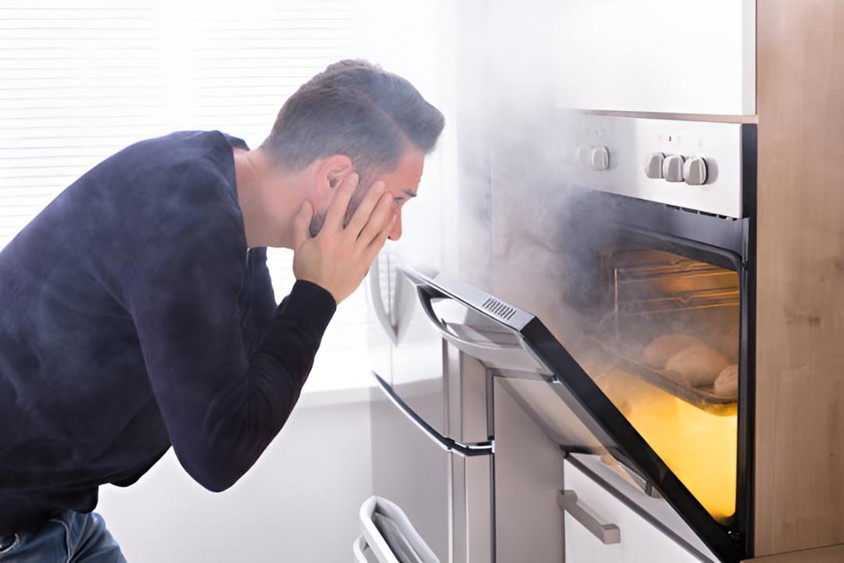
Before diving into safety precautions, it’s important to understand why calibration is necessary. Ovens are designed to maintain a specific temperature, but over time, the accuracy of their internal thermostat can drift. When this happens, the oven might not heat to the correct temperature, leading to various oven issues that can affect the quality of your cooking.
Common signs that your oven may require calibration include:
- Unevenly cooked food (burnt edges with raw centres)
- Inconsistent temperature readings on the oven display
- Longer or shorter cooking times than the recipes suggest
Calibrating your oven ensures that it operates at the correct temperature, allowing you to cook more effectively, save energy, and avoid wasting food.
Key Safety Tips When Calibrating an Electric Oven
Unlike basic cleaning or surface-level maintenance, oven calibration should always be done with safety-first practices. Here are essential safety tips that qualified electricians and appliance repair professionals follow during electric oven calibration:
1. Power Isolation is Non-Negotiable
Before inspecting or opening any part of the oven, professionals disconnect the unit from power. This isn’t just switching it off, it involves either:
- Unplugging the oven from its outlet, or
- Turning off the circuit breaker that controls the appliance
Even when the oven appears off, residual current can still cause injury. Power isolation eliminates the risk of electrocution while handling internal components.
2. Assessment Before Action
Calibrating an oven isn’t about guessing. Experienced technicians always conduct a thorough assessment first. This involves:
- Measuring actual oven temperature using a precision-grade calibrating thermometer
- Monitoring temperature fluctuations during preheating and cycling
- Identifying signs of hardware fatigue or malfunction
This diagnostic step is critical because improper calibration on a faulty system can lead to dangerous results. A control board, sensor, or heating element that’s failing may require replacement, not calibration.
3. Use of Proper PPE and Tools
Professional oven repair and calibration require more than a screwdriver. Experts come prepared with:
- Heat-resistant gloves to protect from residual heat
- Non-conductive tools to avoid an electric shock
- Digital multimeters for voltage and continuity checks
- Infrared thermometers to ensure accurate readings
Using the right personal protective equipment(PPE) protects both the technician and the oven.
4. Avoiding Damage to Fragile Components
Many ovens feature delicate components such as:
- Capillary thermostats
- Glass sensor bulbs
- Touch-sensitive control panels
Professionals are trained to handle these parts carefully. Applying too much force, using incorrect tools, or skipping steps can result in irreparable damage.
5. Compliance with Manufacturer Specifications
Each electric oven model varies in calibration requirements. Professionals consult service manuals and manufacturer guidelines to ensure:
- Correct temperature offset adjustments
- Safe reconnection of electrical components
- Firmware updates or diagnostics if digital controls are involved
This prevents warranty voiding and ensures manufacturer-compliant operation.
6. Fire and Shock Hazard Prevention
Loose wiring, damaged terminals, or makeshift adjustments are some of the most common causes of electrical fires in kitchens. During calibration, professionals inspect:
- Wire insulation for wear
- Terminal block connections
- Any signs of arcing or overheating
These checks go beyond calibration and safeguard the entire oven system from faulty wiring.
7. Cost-Efficiency Through Expertise
A common misconception is that DIY calibration saves money. However, many customers call us after DIY attempts have led to:
- Further damage
- Blown fuses or tripped circuits
- Oven failure during peak usage times
Our team at Electrica Co. provides efficient and safe calibration, ensuring your oven operates optimally and prevents costly future breakdowns.
When Calibration Isn’t Enough
Sometimes, repeated calibration doesn’t resolve the issue. In such cases, there may be deeper faults:
- Sensor inaccuracies due to ageing or corrosion
- Control board failure is causing erratic temperature behaviour
- Worn-out elements do not distribute heat evenly
Professionals can diagnose these quickly and offer affordable repair or replacement options. We also help customers evaluate whether a repair or a new appliance is more cost-effective in the long run.
Why Professional Support Matters
Electric ovens combine heat, voltage, and precision. It’s a dangerous combination in the wrong hands. A certified appliance repair expert will have the skills and knowledge to perform more advanced calibration and make any necessary repairs. Trusting licensed technicians ensures:
- Correct calibration the first time
- Peace of mind with safety compliance
- Extended appliance lifespan
- Warranty protection
At Electrica Co, we specialise in diagnosing and repairing all brands and models of electric ovens across Melbourne. We never cut corners, and neither should you.
Tip: Hiring a professional is especially important if you’re dealing with issues related to the oven’s wiring, control board, or internal components that require special tools and expertise.
Conclusion
Electric oven calibration isn’t just about better cooking; it’s about safety, efficiency, and prolonging your appliance’s lifespan. Small temperature deviations can lead to wasted energy, inconsistent meals, or even damage to your oven if left unchecked. By following the correct procedures and taking the right safety precautions, you can restore your oven’s accuracy with confidence. Need expert help? Contact us for reliable, professional oven calibration and electrical specialists service across Australia.
FAQs:
Calibration is recommended if you notice inconsistent cooking results or after significant usage over time.
It’s best to use an oven-safe thermometer designed for high temperatures to ensure accurate readings.
Some models may not have user-accessible calibration settings. In such cases, professional servicing is advised.
Performing calibration as per the user manual typically doesn’t affect the warranty, but it’s advisable to check the warranty terms.
After calibration, test the oven with the thermometer to confirm the temperature aligns with the set value.