Top 7 Reasons Your Electric Oven Isn’t Heating Properly
Key Takeaways
- Heating elements are the most common source of failure.
- A faulty thermostat can result in inaccurate temperatures.
- Power supply or control board issues may disrupt heating.
- Prompt service can extend an oven’s lifespan.
Pinpointing the Problem: 7 Common Oven Heating Faults
1. Faulty Heating Element
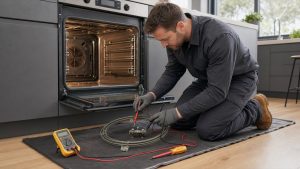
Electric ovens typically contain two primary heating elements: the lower baking element and the upper grill element. Over time, these components can wear out, crack, or burn out completely, especially with frequent use. If either element is compromised, the oven may struggle to heat evenly or fail to heat at all. Common indicators include:- Meals cooking unevenly or remaining undercooked despite long baking time.
- The heating element fails to emit its usual glow when the oven is in operation.
- Visible damage such as cracks, blistering, or breakage on the surface of the element.
2. Thermostat Malfunction
The thermostat is responsible for regulating the internal temperature of the oven. When it malfunctions, the appliance may heat inconsistently, either not reaching the desired temperature or surpassing it, which can cause overheating. Typical symptoms of thermostat issues include:- Food that is persistently undercooked or burned, regardless of timer settings.
- Inaccurate temperature display or readings on the control panel.
- Fluctuating oven temperature during a single cooking cycle.
3. Power Supply Problems
In some cases, an oven may appear operational lights may turn on and the digital display may function, but no heat is produced. This typically points to a power supply issue, which can prevent the appliance from receiving the voltage needed to activate the heating elements. Potential causes may include:- A circuit breaker that has been triggered, disrupting the flow of electricity.
- Damaged, worn-out, or improperly connected power cables
- Fluctuating voltage or inadequate power delivery to the oven.
4. Control Board Failure
Acting as the oven’s main control unit, the control board manages temperature settings, cooking times, and user inputs. If the control board becomes damaged or malfunctions, the oven may stop responding correctly or fail to heat entirely. Common signs of control board issues include:- Buttons or dials are not responding when pressed.
- Malfunction indicators, such as error messages or blinking lights on the display panel.
- Heating elements failing to activate, despite proper settings.
5. Blown Thermal Fuse
The thermal fuse is a built-in safety device designed to protect the oven from overheating. If internal temperatures exceed safe limits, the fuse will shut off power to the heating system entirely. Once it blows, the oven will no longer heat until the fuse is replaced. Important considerations include:- A blown fuse often indicates the oven has experienced a dangerous rise in temperature.
- Thermal fuses cannot be reset and must be completely replaced with compatible components.
- Overheating that causes a fuse to blow may also point to other internal faults that require inspection.
6. Digital Timer or Clock Errors
Many modern ovens come with programmable digital displays for setting cooking times and temperature functions. If this interface develops a fault, it can interfere with the heating process or prevent the oven from starting at all. Potential warning signs include:- Countdown timers are functioning without the oven producing any heat.
- Inability to adjust cooking settings via the display.
- A frozen, flickering, or blank digital screen.
7. Worn-Out Door Seal
A properly functioning door seal is essential for preserving a consistent internal oven temperature. A damaged or worn seal allows heat to escape, which results in poor cooking performance and higher energy usage. Typical effects of a compromised seal include:- Increased time needed for preheating.
- Uneven cooking, particularly near the door side.
- Excessive energy consumption due to constant heat loss.
Conclusion
An electric oven that does not heat properly may have an element, thermostat, sensor, fan, control or electrical-supply fault. Calibration will not correct a failed component, and repeated testing can worsen an overheating connection or insulation problem. Electrica Co provides licensed electric oven repairs in Melbourne and travels to customers across Melbourne CBD and the inner city, the northern suburbs and the western suburbs, including Coburg and Northcote. New parts supplied and installed by Electrica Co. are covered by a 12-month warranty. Contact us to arrange a mobile inspection at your property.FAQs
This may be due to a faulty heating element, a thermostat issue, or a malfunctioning control board. Proper diagnosis and resolution of the issue should be carried out by a qualified electrician to ensure safety.
Table of Contents
ToggleYes. A defective thermostat may stop the oven from reaching or maintaining the correct temperature, leading to undercooked or unevenly cooked food.
Yes. A non-heating oven may still pose electrical risks or overheating issues. It’s recommended to discontinue use and seek professional assessment.
Uneven heating can result from a damaged upper or lower element, a worn door seal, or a faulty control board. These components affect heat distribution during cooking.
Yes. Licensed electricians across Melbourne and the surrounding areas offer professional repair services for electric ovens.
Many services provide fast response times and offer emergency electrical assistance for urgent appliance faults.