CCTV Tips for Better Security
A visible, well-positioned CCTV system is one of the most effective deterrents available to Melbourne homeowners and business operators. But camera placement, image quality, storage, and system integration all affect whether your setup actually delivers the protection it promises. Electrica Co., Melbourne’s trusted licensed electricians, install professional-grade CCTV systems across residential and commercial properties and this guide covers what you need to know to get it right.
Table of Contents
ToggleKey Takeaways
- Camera placement is the most critical factor in CCTV effectiveness, poorly positioned cameras create blind spots that defeat the purpose of the system entirely.
- Resolution, night vision capability, and weatherproofing are the three technical specifications that matter most for Australian residential and commercial applications.
- Cloud and local storage options each have specific advantages, your choice should reflect your security priorities and internet reliability.
- Professional installation by a licensed electrician ensures cameras are correctly powered, connected, and positioned to meet your actual security needs.
Why CCTV Matters More Than Ever in Melbourne
Property crime remains a significant concern across metropolitan Melbourne and surrounding suburbs. While overall trends fluctuate year to year, break-ins, vandalism, and vehicle-related crime continue to affect residential and commercial properties across the city’s north and west.
According to Crime Statistics Agency Victoria’s latest property crime data, residential burglary and property damage offences remain consistently recorded across Melbourne’s growth suburbs, making passive deterrence measures like CCTV systems a practical investment for homeowners and business operators who want to reduce their exposure.
A CCTV system serves two distinct functions. First, it deters opportunistic crime, a clearly visible camera tells a potential intruder that their activity will be recorded. Second, it provides evidence if an incident does occur, footage that is recoverable, time-stamped, and usable by police and insurers.
For commercial properties and older residential buildings, combining CCTV coverage with an electrical safety inspection helps ensure security systems, cabling, and connected infrastructure operate safely and reliably under Australian electrical standards.
Tip 1: Get Camera Placement Right From the Start
The most expensive cameras in the world will not protect your property if they are pointed at the wrong angles. Camera placement is the single most impactful decision in any CCTV installation, and it requires a site-specific assessment rather than a generic template.
Effective placement principles include:
- Cover all entry and exit points first, front door, back door, side gates, and garage entrances are the primary access points for intruders
- Position cameras high enough to be out of easy reach, but angled downward enough to capture faces and identifying details
- Avoid pointing cameras directly into bright light sources or directly at the sun, backlighting washes out footage and defeats the purpose of the camera
- Overlap coverage zones between cameras where possible, so there are no blind spots between fields of view
- For commercial properties, include internal coverage of cash handling areas, server rooms, and high-value storage in addition to perimeter coverage
Camera visibility and coverage quality are the dominant factors in whether a CCTV system produces a measurable deterrent effect, reinforcing why placement assessment matters more than simply installing cameras wherever they are most convenient.
Tip 2: Choose the Right Resolution and Night Vision
Not all cameras capture footage that is actually useful when you need it. Low-resolution cameras may record continuously but produce footage that cannot identify faces, number plates, or clothing details, making it far less valuable as evidence.
For Australian residential and commercial applications, look for:
- Minimum 2MP (1080p) Resolution for Standard Coverage: This provides sufficient detail for face and number plate identification at typical residential distances
- 4MP or 4K Cameras for Wide-Area Coverage: Higher resolution allows digital zoom on specific areas of footage without losing identification-quality detail
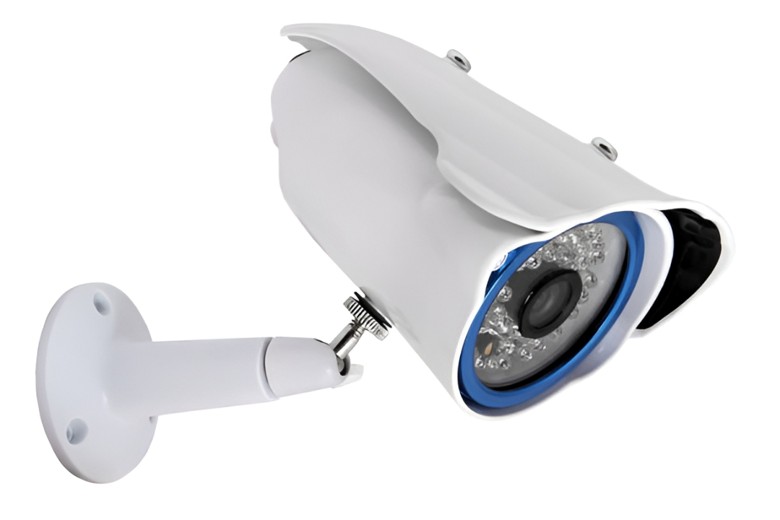
- Infrared (IR) Night Vision: Essential for all external cameras, IR illumination provides clear monochrome footage in complete darkness without the tell-tale glow of a visible light source
- Wide Dynamic Range (WDR): Compensates for high-contrast lighting conditions such as a bright outdoor background with a shaded entry point, a common challenge in Australian residential settings
Tip 3: Understand Your Storage Options
Footage is only valuable if it is stored reliably and retrievable when needed. The two primary storage methods for CCTV systems are local (on-site) storage and cloud storage, and each has specific advantages worth understanding.
Local Storage (NVR or DVR Systems)
Network video recorders (NVR) and digital video recorders (DVR) store footage on hard drives installed on your property. Local storage is not dependent on internet connectivity, typically retains footage for longer periods at no ongoing cost, and is not subject to subscription fees. The limitation is that storage hardware is physically on the premises, if equipment is stolen or damaged in an incident, footage may be lost.
Cloud Storage
Cloud systems upload footage off-site in real time or on a schedule. Even if cameras are damaged or stolen, footage stored to the cloud is preserved. Cloud storage typically involves a subscription cost and depends on reliable internet connectivity for consistent uploads. For properties with strong NBN connections, cloud backup provides an important additional layer of protection.
Many professional CCTV installations now use a hybrid approach, local storage for volume recording with cloud backup for critical footage events and motion-triggered clips.
CCTV installation service at Electrica Co. covers both locally stored and cloud-integrated systems, designed and installed to suit the specific requirements of your property and your preferred level of remote monitoring access.
Tip 4: Make Sure Cameras Are Weatherproofed for Australian Conditions
Australian conditions, particularly across Melbourne and Victoria, expose outdoor cameras to significant weather variation. High summer temperatures, driving winter rain, and UV exposure all degrade components that are not built to handle outdoor conditions.
When selecting external cameras, look for an IP (Ingress Protection) rating of IP66 or higher. This confirms the camera housing is dust-tight and can withstand powerful water jets, providing reliable protection against Melbourne’s variable weather without sealed enclosures or additional weatherproofing.
Cameras mounted under eaves or in sheltered positions still benefit from weatherproof ratings, as condensation, insects, and temperature extremes affect non-rated units over time. A professional installation includes appropriate mounting hardware and housing to maximise the working life of external cameras.
IP rating specification is one of the most commonly overlooked factors in DIY and budget CCTV installations, leading to premature failure and compromised security coverage.
Tip 5: Know the Privacy Rules Before You Install
In Australia, there are legal considerations that apply to where and how you can position CCTV cameras, particularly in relation to neighbouring properties and public areas. Understanding these before installation avoids legal complications later.
General principles that apply across Australian states and territories include:
- Cameras positioned to capture a neighbour’s private area, including bedrooms, bathrooms, or private outdoor spaces, may constitute a privacy breach under state legislation
- Cameras that monitor public footpaths or shared driveways may require signage indicating that CCTV is in operation
- Businesses that use CCTV are generally required to notify employees and customers of camera monitoring in relevant areas under the Privacy Act 1988 (Cth)
Authoritative guidance on how the Privacy Act applies to CCTV use by individuals and businesses, a useful first reference before finalising your camera positions.
Tip 6: Integrate CCTV With Your Broader Security Setup
A CCTV system performs best when it is part of a broader security approach rather than a standalone installation. Integration with lighting, alarm systems, and access control produces a layered security outcome that is significantly more effective than any single measure alone.
- Motion-Activated Lighting: Pairing cameras with sensor-activated lights ensures that night-time activity is both illuminated and recorded, removing the cover of darkness that most intruders rely on
- Alarm Integration: Modern systems can trigger alarm responses or notifications when cameras detect motion in defined zones during off-hours
- Remote Monitoring Access: Smartphone and tablet apps allow live and recorded footage to be reviewed from anywhere, giving property owners visibility when they are not on site
- Backup Power Provision: Cameras connected to a UPS (uninterruptible power supply) continue operating during brief power interruptions, ensuring coverage is not broken during the moments when it may matter most
Layered security installations, combining surveillance, lighting, access control, and alarm systems, produce substantially better deterrence and incident response outcomes than single-measure approaches.
Tip 7: Professional Installation Makes a Measurable Difference
Wireless CCTV cameras that you mount yourself and connect via an app are widely available. They have their place, particularly as a temporary or supplementary measure. But for a primary security installation, professional installation by a licensed electrician delivers outcomes that self-installed systems cannot reliably replicate.
A licensed installer:
- Conducts a site assessment to identify genuine coverage gaps and optimal camera positions
- Runs cabling cleanly and securely, eliminating exposed runs that can be cut or tampered with
- Connects cameras to a dedicated circuit with appropriate power protection
- Configures recording schedules, motion zones, and remote access to suit your specific security requirements
- Provides documentation of the installation for insurance purposes
Professionally installed and maintained CCTV systems demonstrate significantly higher long-term reliability and evidence quality compared to self-installed alternatives, a distinction that matters most when footage is required as evidence.
Conclusion
A well-planned CCTV system is not just about recording what happens, it is about creating an environment where incidents are less likely to happen in the first place. When cameras are positioned correctly, maintained properly, and integrated with broader security measures, the result is genuine, lasting protection. Contac us today to arrange a site assessment and find out what a professional CCTV installation would look like for your Melbourne property.
FAQs:
Most residential properties require four to eight cameras to adequately cover all entry points, driveways, and key outdoor areas without blind spots.
Residential systems typically store 30 days of footage. Commercial systems often retain 90 days or more, depending on storage capacity and legal requirements.
It may constitute a privacy breach if the camera captures private areas of your property. State privacy legislation and the Privacy Act may apply.
A professionally installed 1080p or 4K NVR system with IP66-rated cameras, IR night vision, and cloud backup suits most Melbourne residential properties well.
Yes. Visible cameras are a proven deterrent for opportunistic crime. Research from the Australian Institute of Criminology confirms their deterrent effectiveness.
Basic wireless cameras can be self-installed. Hardwired systems require a licensed electrician for cabling and power connection under Australian electrical regulations.